Hair Transplant Side Effects: Short- and Long-Term Risks
Hair transplants are generally considered safe when performed by qualified professionals, but like any medical procedure, they come with potential side effects and risks. Some hair transplant side effects are temporary and expected as part of the healing process, while others are less common and often linked to clinic practices, technique, or aftercare.
This guide explains the short-term and long-term side effects of hair transplants, what’s normal, what’s not, and how to reduce your risk before choosing a clinic.
Short-term hair transplant side effects (common and usually temporary)
These hair transplant side effects are experienced by most patients to some degree and typically resolve within days or weeks.
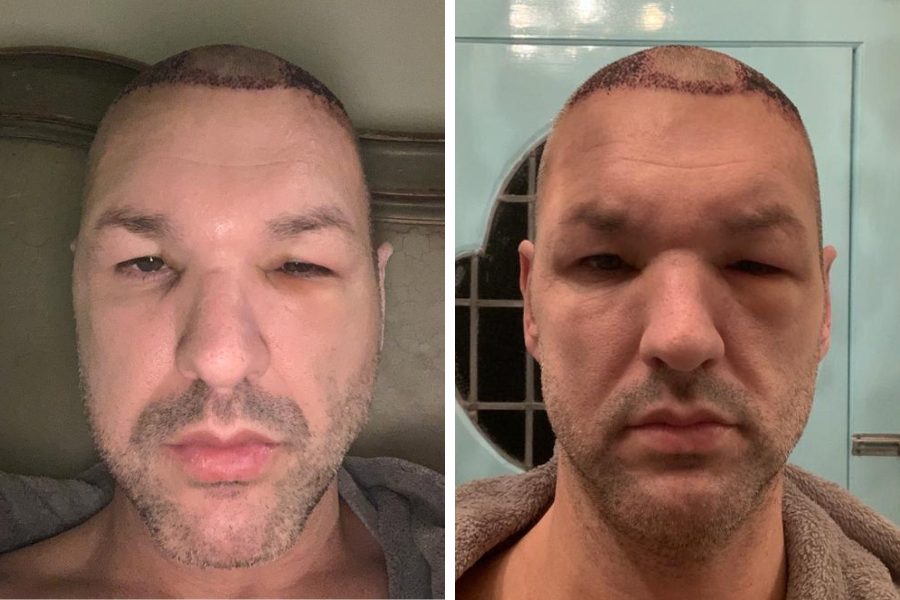
Swelling and redness
Swelling around the forehead, scalp, or eyes is common in the first few days after surgery. Redness at the recipient and donor areas may last longer, especially for fair-skinned patients.
A small 2014 study of 73 hair transplant patients found swelling was the most commonly reported side effect, occurring in 42% of cases, followed by sterile folliculitis (23%) and donor-site scarring (15%). Source: Healthline
Scabbing and crusting
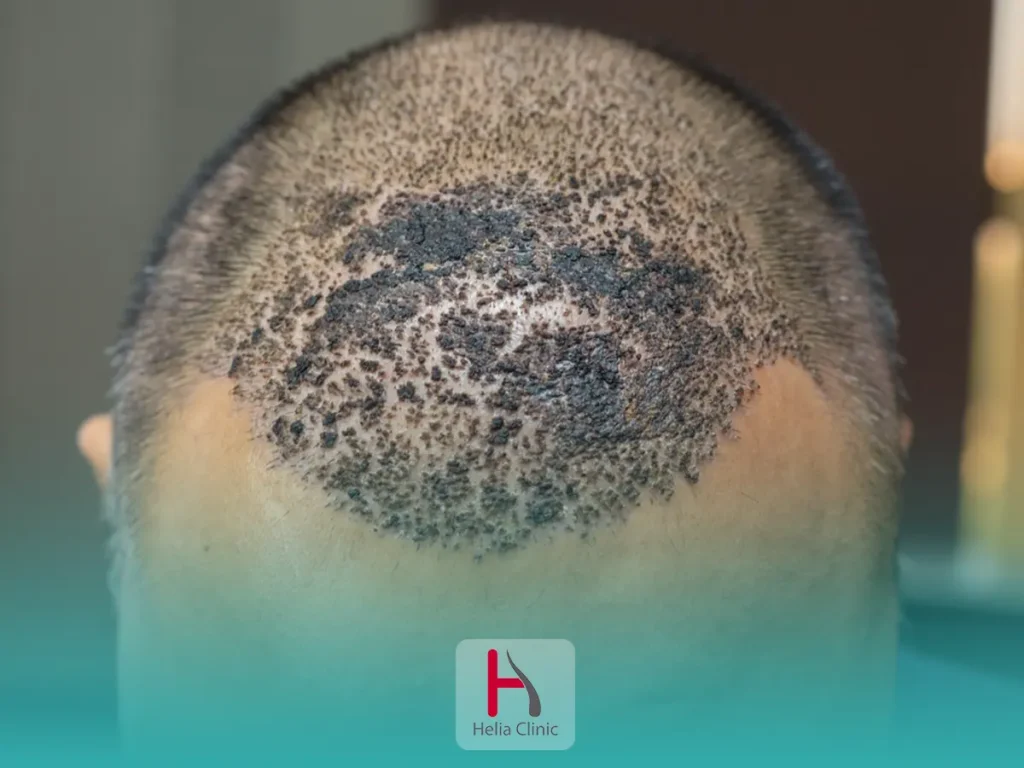
Small scabs form around transplanted grafts as part of normal healing. These usually fall off within 7–14 days if aftercare instructions are followed.
Itching and scalp tightness
Itching is common as the scalp heals. Scratching should be avoided to prevent graft damage or infection.
Temporary numbness
Some patients experience numbness or reduced sensation in the donor or recipient area. This typically resolves on its own over time.
For a day-by-day view of what’s normal, see:
Hair Transplant Recovery Timeline: What Actually Happens
Medium-term hair transplant side effects (weeks to months)
These effects can cause anxiety but are often part of the normal hair growth cycle.
Shock loss (temporary shedding)
Transplanted hairs often fall out within the first 2–8 weeks after surgery. This does not mean the transplant failed — follicles enter a resting phase before regrowth begins.
Uneven early growth
New hair may grow at different speeds, resulting in patchy or uneven appearance during the first few months.
Prolonged redness or sensitivity
Some patients experience lingering redness or sensitivity, particularly if large areas were treated or healing is slower than average.
According to the Cleveland Clinic, temporary shedding and delayed regrowth are expected phases following hair restoration surgery.
Long-term risks (less common but important)
These risks are less frequent and are often linked to surgical technique, graft handling, or clinic quality.
Poor hairline design
An unnatural or age-inappropriate hairline can be permanent and difficult to correct. This is a planning issue rather than a healing issue.
Low graft survival
Improper handling, dehydration of grafts, or rushed implantation can reduce graft survival, leading to thin or inconsistent results.
Donor area damage
Overharvesting can permanently thin the donor area, limiting future transplant options.
Visible scarring
While modern FUE minimizes scarring, poor extraction technique can still result in visible marks or patchy donor areas.
Infection or folliculitis
Infections are rare but possible, especially if hygiene standards or aftercare are inadequate.
Side effects linked to clinic model and technique
Risk levels are influenced by how a clinic operates.
High-volume clinics may carry increased risk of:
- rushed procedures
- inconsistent technician skill
- overharvesting donor areas
Boutique or surgeon-led clinics often reduce certain risks but may:
- cost more
- limit graft numbers per session
For a comparison of clinic models, see:
Turkey vs USA Hair Transplant: Costs, Risks, and Outcomes
For technique-related differences, see:
FUE vs DHI Hair Transplant: Key Differences Explained
How to reduce your risk before surgery
Patients can significantly reduce risks by focusing on preparation and clinic selection.
Key steps:
- verify who performs extraction and implantation
- ask about daily patient limits
- request long-term result examples
- follow aftercare instructions strictly
- avoid ultra-cheap offers that prioritize volume over quality
Understanding cost structures can also help set realistic expectations:
Hair Transplant Costs Explained (By Country & Technique)
When to be concerned
Seek medical advice if you experience:
- increasing pain after the first few days
- spreading redness or pus
- fever or signs of infection
- sudden donor area thinning
Early intervention can prevent minor issues from becoming long-term problems.
FAQs
Is it normal for transplanted hair to fall out?
Yes. Most transplanted hairs shed within 2 to 8 weeks after surgery. This is called shock loss, and it happens because the follicles enter a resting phase before new growth begins. It does not mean the transplant failed.
How long do hair transplant side effects usually last?
Common side effects like swelling, scabbing, and itching typically resolve within 1 to 2 weeks. Shock loss and uneven early growth can take a few months to settle as new hair comes in.
What are signs something is wrong, not just normal healing?
Increasing pain after the first few days, spreading redness, pus, fever, or sudden donor area thinning are not typical healing signs and should be checked by a medical professional.
Can a hair transplant cause permanent damage?
It’s uncommon, but poor technique or overharvesting can cause permanent donor area thinning or visible scarring. This is why clinic and surgeon selection matters more than most other decisions in the process.
Final thoughts
Most hair transplant side effects are temporary and part of normal healing. Long-term risks are uncommon but can be serious when planning, technique, or clinic standards fall short.
Being informed, choosing the right clinic model, and following aftercare instructions are the most effective ways to protect both your results and your donor area.
Disclaimer
This article is for informational purposes only and does not constitute medical advice. Hair transplant outcomes and side effects vary by individual. Always consult a qualified medical professional regarding treatment decisions.