If you’re researching hair transplants, you’ve likely come across two terms repeatedly: FUE vs DHI hair transplant. Clinics often market one as more advanced than the other, but the reality is more nuanced.
Both FUE and DHI are modern hair transplant techniques with strong success rates when performed correctly. The differences lie in how grafts are implanted, how much surgeon involvement is required, and which situations each technique is best suited for.
This guide explains the key differences between FUE vs DHI hair transplant in clear, practical terms so you can make an informed decision.
What is FUE (Follicular Unit Extraction)?
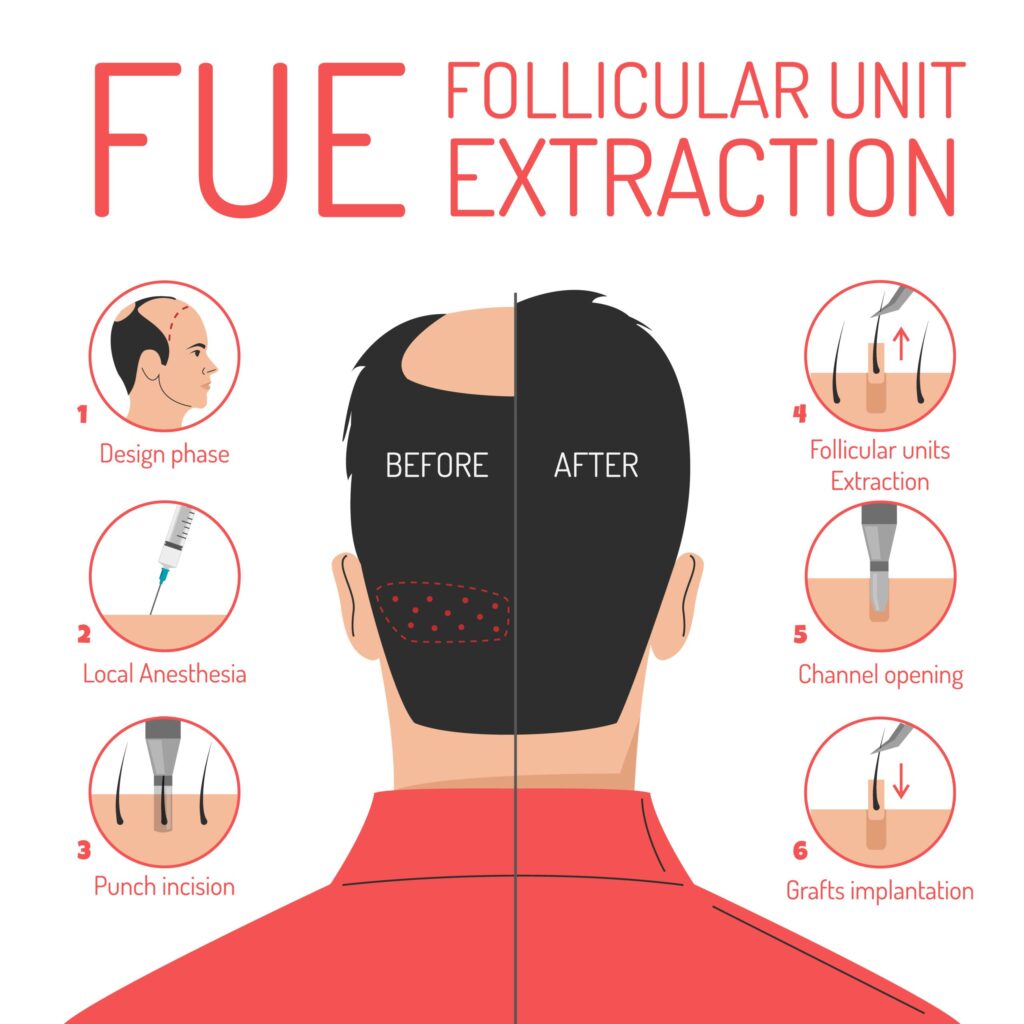
FUE is the most widely used hair transplant technique worldwide.
In an FUE procedure:
- Individual hair grafts are extracted from the donor area (usually the back or sides of the scalp)
- Tiny incisions (recipient sites) are created in thinning or bald areas
- Grafts are then implanted into those sites
FUE is popular because it:
- leaves minimal scarring
- allows for faster healing than older strip methods
- works well for most hair loss patterns
Many clinics offer variations of FUE, but the core process remains the same.
What is DHI (Direct Hair Implantation)?
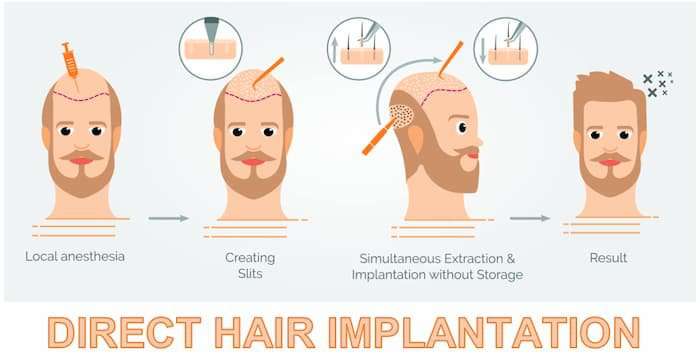
DHI is a modified version of FUE that focuses on the implantation step.
With DHI:
- Grafts are still extracted using FUE
- Instead of pre-making incisions, grafts are implanted directly using a pen-like device (often called a Choi pen)
- Extraction and implantation can happen almost simultaneously
DHI is often marketed as more precise or more advanced, but it is best understood as a different implantation method rather than a completely separate technique.
Key differences between FUE vs DHI
Implantation method
FUE uses pre-made recipient incisions, while DHI implants grafts directly without creating all incisions beforehand.
Surgeon involvement
DHI often requires more direct surgeon participation during implantation, especially in high-quality clinics.
Procedure time
DHI procedures can take longer because each graft is placed individually using the pen device.
Scalp shaving
FUE usually requires shaving the recipient area. DHI can sometimes be done with minimal shaving, depending on the case.
FUE vs DHI results: is one better?
When performed correctly, both FUE and DHI can produce equally natural, long-lasting results.
Outcome quality depends more on:
- hairline design
- graft handling
- density planning
- surgeon experience
According to the International Society of Hair Restoration Surgery, technique alone does not determine success, execution and planning are far more important.
There is no guaranteed “better” technique for everyone.
Cost differences between FUE and DHI
DHI is usually more expensive than standard FUE.
Typical price difference:
- DHI costs about 10–30% more than FUE
Reasons for the higher cost:
- longer procedure time
- more intensive implantation process
- higher surgeon involvement in many clinics
For a full breakdown of pricing by country, see: Hair Transplant Costs Explained
Which technique is better for you?
FUE may be a better option if:
- you need a larger number of grafts
- you want a more cost-effective solution
- you’re comfortable shaving the recipient area
DHI may be better if:
- you want maximum control over hair angle and direction
- you’re focusing on a smaller area (hairline or temples)
- minimal shaving is important to you
A reputable clinic will recommend the technique based on your hair loss pattern, not based on what they want to sell.
Common myths about FUE and DHI
Myth: DHI is always more advanced
Reality: DHI is a variation of FUE, not a replacement.
Myth: DHI guarantees better density
Reality: Density depends on graft numbers and planning, not the tool used.
Myth: FUE is outdated
Reality: FUE is still the global standard technique.
Final thoughts
FUE vs DHI are both effective hair transplant techniques when performed ethically and skillfully. The best choice depends on your individual hair loss, goals, and the clinic’s experience with each method.
The choice between FUE and DHI is often influenced by location as well as technique, particularly when patients are weighing treatment options in Turkey versus the USA.
Rather than choosing a technique based on marketing claims, focus on surgeon involvement, transparent planning, and real patient results.