Choosing where to get a hair transplant is one of the most important decisions in the entire process. For many patients, the Turkey vs USA hair transplant comparison comes down to two options: having the procedure done in the United States or traveling abroad to Turkey.
Both countries offer modern hair transplant techniques and experienced surgeons, but the differences in cost, clinic structure, patient experience, and risk profile are significant. This article provides a neutral, side-by-side comparison to help you understand what actually changes when you choose Turkey versus the USA.
Cost comparison: Turkey vs USA hair transplant
Cost is usually the first and biggest differentiator.
In the United States, hair transplant procedures typically range from $8,000 to $20,000+, depending on graft count, technique, and clinic reputation. Pricing is often per graft, with limited inclusions beyond the procedure itself.
In Turkey, the same procedures commonly range from $2,000 to $5,000. These prices are usually offered as packages that include the procedure, hotel accommodation, airport transfers, medication, and short-term aftercare.
The lower cost in Turkey is largely due to lower operating expenses, high patient volume, and a well-developed medical tourism industry rather than the use of outdated techniques. You can also check our guide on cost here.
Technique and technology
Both Turkey and the USA widely offer modern hair transplant methods, including FUE and DHI.
In the USA, clinics often emphasize physician-led procedures, smaller daily patient volumes, and personalized treatment plans. Many clinics perform one or two surgeries per day, with the surgeon closely involved throughout.
In Turkey, clinics range from boutique practices to very high-volume centers. Many Turkish clinics specialize almost exclusively in hair transplants, performing hundreds or thousands of procedures per year. This volume can translate into efficiency and experience, but the level of surgeon involvement varies significantly between clinics.
Technique availability is not the key difference, clinic structure and execution are. Check our guide on hair transplants explained for more details.
Surgeon involvement and clinic models
This is one of the most important differences between the two countries.
In the USA, regulations typically require licensed physicians to perform or directly supervise critical parts of the procedure. Patients usually meet their surgeon multiple times before and after surgery.
In Turkey, models vary. Some clinics are surgeon-led with direct physician involvement, while others rely heavily on technicians for extraction and implantation. High-quality clinics disclose this clearly; lower-quality clinics often do not.
According to the International Society of Hair Restoration Surgery, surgeon experience and oversight are major factors in achieving natural-looking, long-term results regardless of location.
Risks and safety considerations
Hair transplant risks exist in both countries, but the type of risk differs.
In the USA, risks are more often related to cost pressure leading patients to delay treatment or choose smaller graft sessions that may not fully address hair loss.
In Turkey, risks are more commonly associated with clinic selection. Ultra-low-cost clinics may overharvest donor areas, rush procedures, or provide limited post-operative support once patients return home.
Medical guidance from the Cleveland Clinic emphasizes that outcomes depend heavily on proper technique, appropriate patient selection, and structured aftercare — not just the procedure itself.
Outcomes and results
When performed well, hair transplant outcomes in Turkey and the USA can be equally successful.
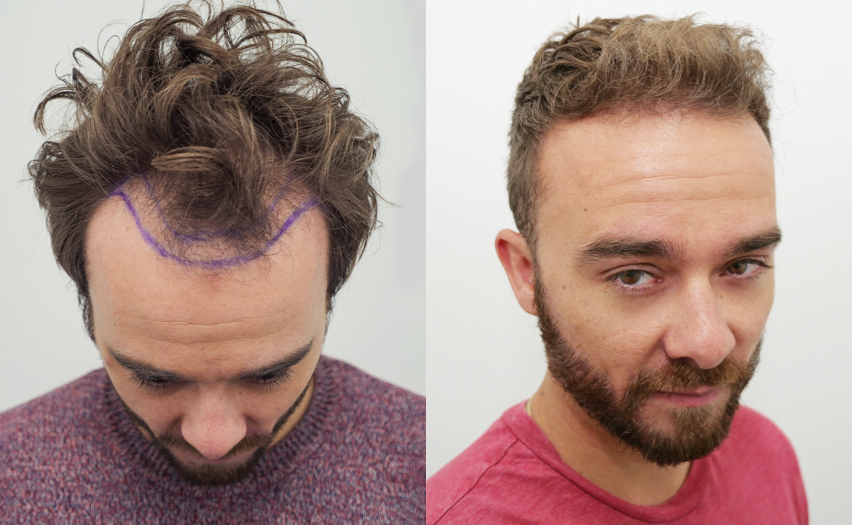
Natural hairline design, appropriate density, and long-term graft survival depend more on the surgeon’s planning and execution than the country. Many excellent results come from both regions, just as poor outcomes can occur in either.
Patients who research clinics carefully, review real patient cases, and understand who will actually perform the procedure tend to achieve the best results, regardless of geography.
Recovery and aftercare
Aftercare experience differs slightly between the two options.
US-based patients benefit from easy in-person follow-up and access to the clinic if concerns arise. This can be reassuring, especially for first-time patients.
Turkey-based patients usually receive structured short-term aftercare during their stay, followed by remote follow-ups once they return home. Reputable clinics provide detailed instructions and ongoing support, but in-person follow-up is less accessible.
Travel and convenience
Travel is an obvious factor.
Choosing Turkey requires international travel, a short recovery stay, and time off work. For many patients, this is offset by the lower cost and all-inclusive structure.
Choosing the USA eliminates travel but often comes with significantly higher financial commitment.
Which option is better?
There is no universally “better” choice.
The USA may be better suited for patients who prioritize local care, consistent physician oversight, and easy follow-up.
Turkey may be better suited for patients who are cost-conscious, comfortable traveling, and willing to research clinics carefully to find high-quality providers.
The deciding factor should not be country alone, but clinic transparency, surgeon involvement, ethical graft planning, and realistic expectations.
Final thoughts
Turkey and the USA both produce excellent hair transplant outcomes when procedures are performed responsibly. Cost differences are real, but so are differences in clinic models and patient experience.
A successful hair transplant depends far more on who performs the procedure and how it is planned than where it is performed.